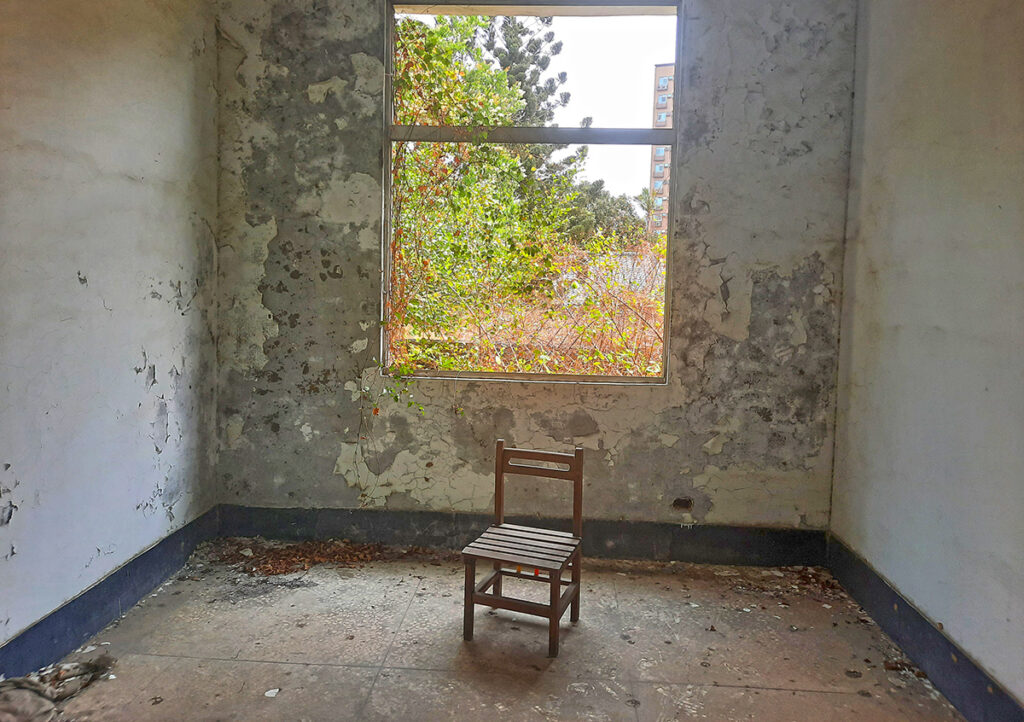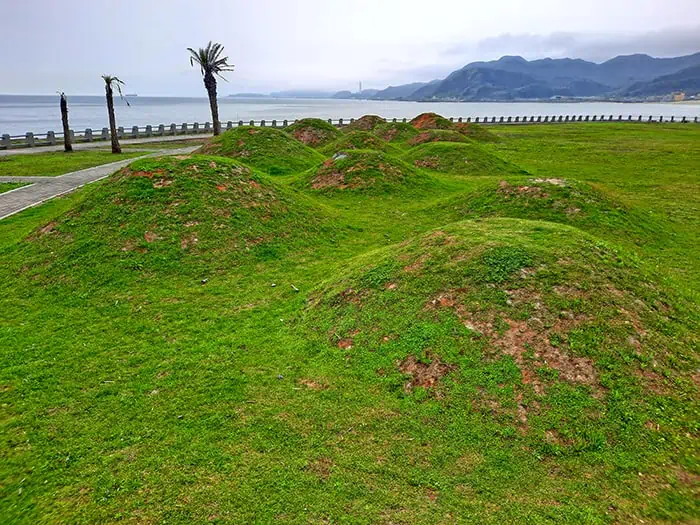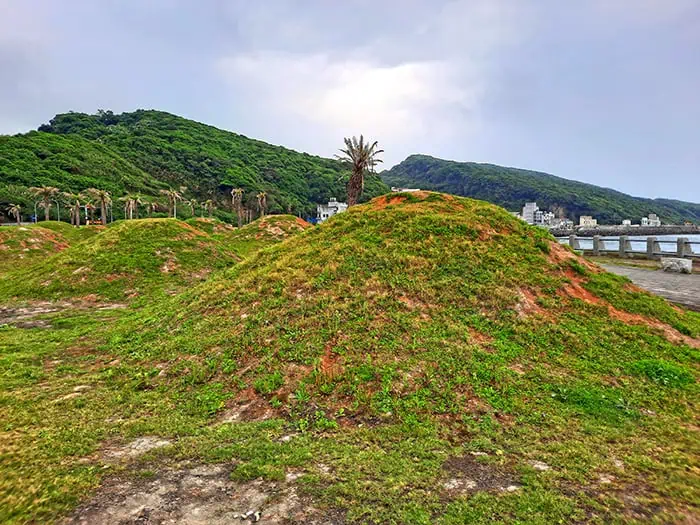

During the Japanese colonial rule, the Island of Formosa served as a major strategic base for Japan’s Imperial Army, bolstering its control over key maritime routes. Throughout Taiwan, one can find copious relics of that era, including a defunct military facility in Kaohsiung, where visitors can witness firsthand the island’s forgotten history. Known as the Fongshan Wireless Communications Station, the place is home to multiple abandoned buildings, eerily frozen in time as if a global apocalypse has just transpired.

By: Omri Westmark
Date: 17:28 27.10.23
Last Update: 17:31 27.10.23
Following the end of the First Sino-Japanese War and the Treaty of Shimonoseki, the Taiwanese archipelago was ceded to Japan’s imperial forces in 1895. The Japanese occupation of the island lasted for more than half a century, during which it became a significant military and economic hub, greatly contributing to Japan’s military efforts across the region.
While nowadays, the Japanese troops are long gone, the country’s colonial legacy is still very much present, both culturally and physically. In fact, a perfectly preserved vestige of that time lies in the eastern part of Taiwan’s second largest city, Kaohsiung.
Built in the late 1910’s, Fongshan Communication Center was one of three wireless telecommunication stations erected by the Japanese Imperial Navy throughout the island of Formosa. The station functioned as both civilian and military facility, which during World War II, facilitated in tracking the movement of Allied forces in the Pacific.
After the Japanese defeat in 1945, the Island came under the control of the KMT, who turned the station into a detention center for political dissidents. Also known as Fengshan Guest House, it was here where hundreds of prisoners were interrogated and sometimes tortured during the year of Taiwan’s notorious White Terror.
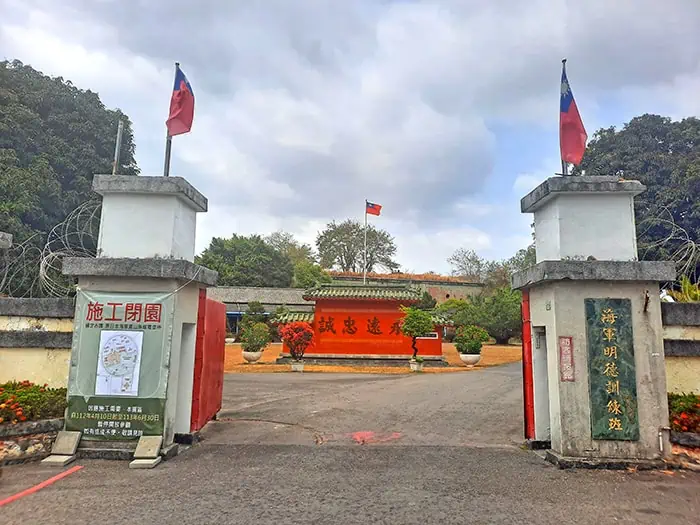
The site’s main entrance
photography by: Omri Westmark
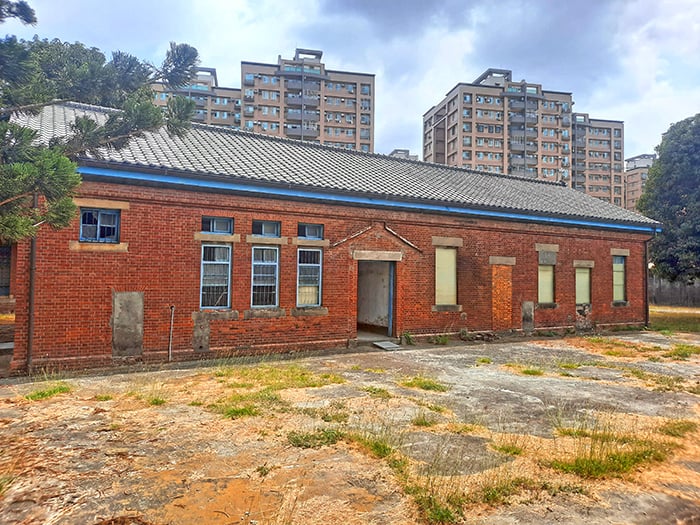
One of the former office buildings
photography by: Omri Westmark

photography by: Omri Westmark

photography by: Omri Westmark

photography by: Omri Westmark
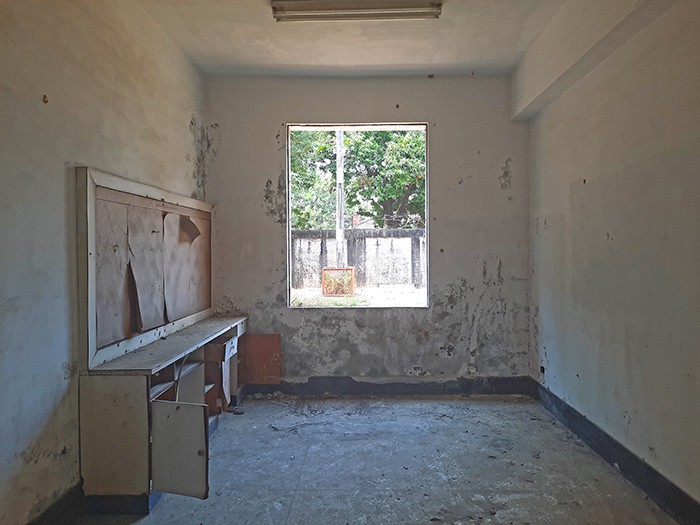
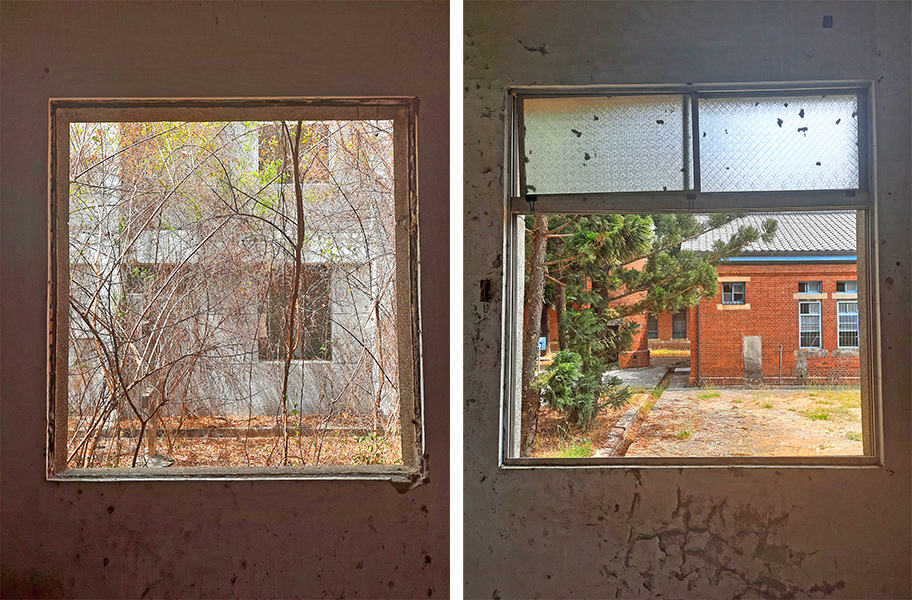
An interrogation room
photography by: Omri Westmark
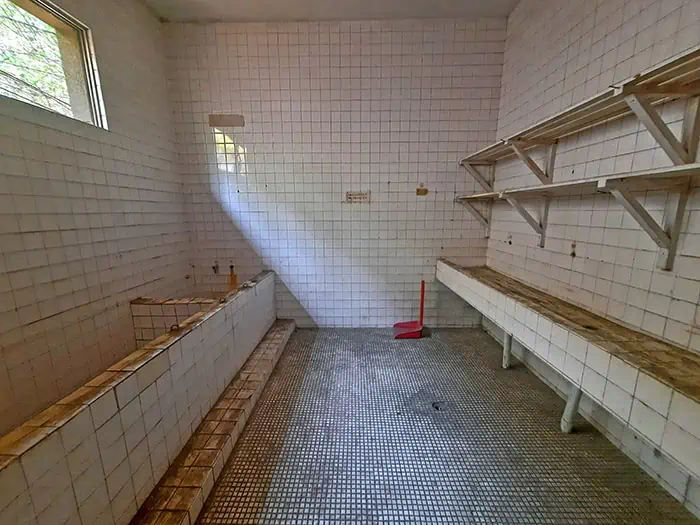
photography by: Omri Westmark
photography by: Omri Westmark
photography by: Omri Westmark
In 1976, the facility was repurposed again, this time as the navy’s Mingde Disciplinary Camp, where defiant soldiers were incarcerated as part of their reeducation program. It took few more decades down the line until the precinct was finally demilitarized and subsequently designated as a cultural asset by the Kaohsiung County Government in 2007.
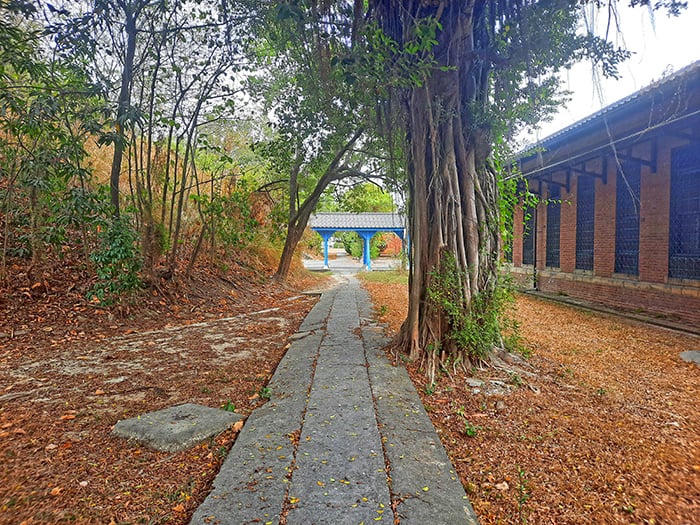
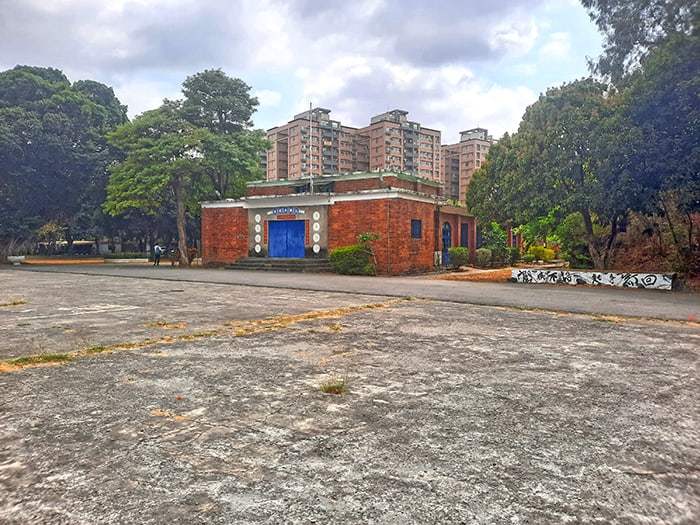
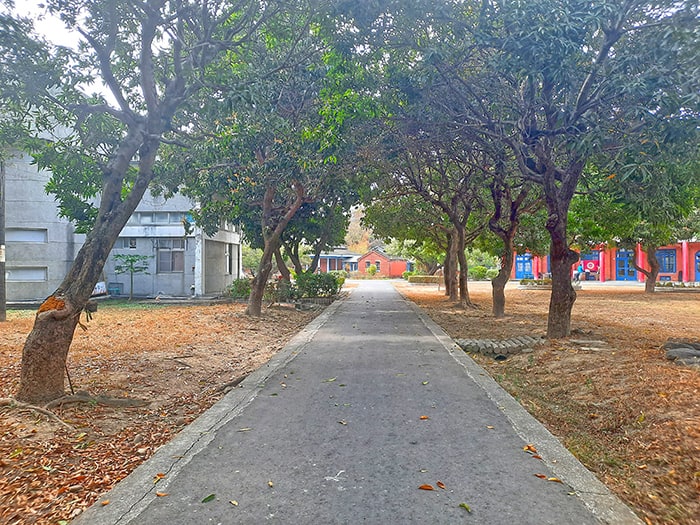
Since 2011, the intriguing site is open for visitors, who can in turn freely explore its semi-abandoned premises, dominated by derelict, yet impressive military architecture. The verdant complex comprises multiple buildings, including a blockhouse, radio station and office buildings, accompanied by mango and banyan trees.
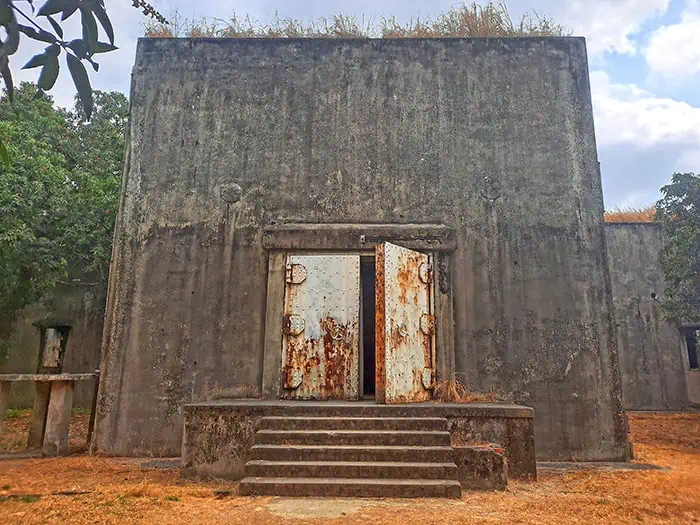
Conspicuous by its massiveness is the main bunker, a ginormous, well-fortified edifice whose roof is covered by soil as a means of defense against airstrikes. During its heyday, the shelter housed the base’s transmission center and later, an interrogation facility nicknamed “the cave”. Another treasure trove of decrepitude to awe at is the cross-shaped radio station, the interior of which is still littered with the technical devices and instruments used during its years of operation.
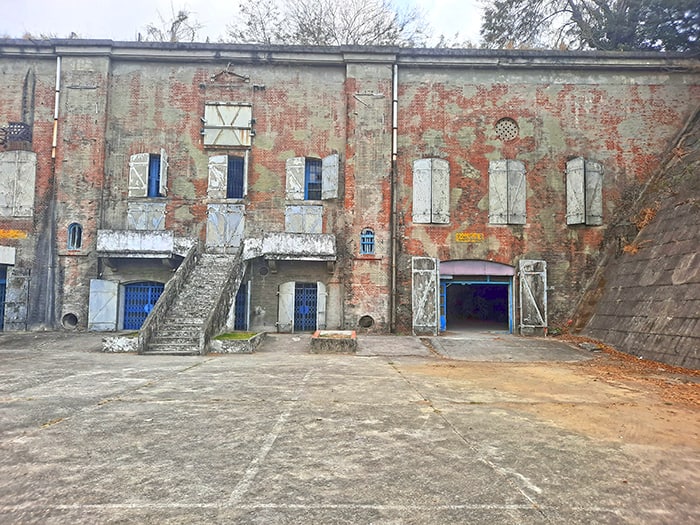
The main blockhouse
photography by: Omri Westmark
photography by: Omri Westmark
photography by: Omri Westmark

A dugout shaded by a banyan tree
photography by: Omri Westmark

The site’s perimeter wall
photography by: Omri Westmark
The radio station
photography by: Omri Westmark
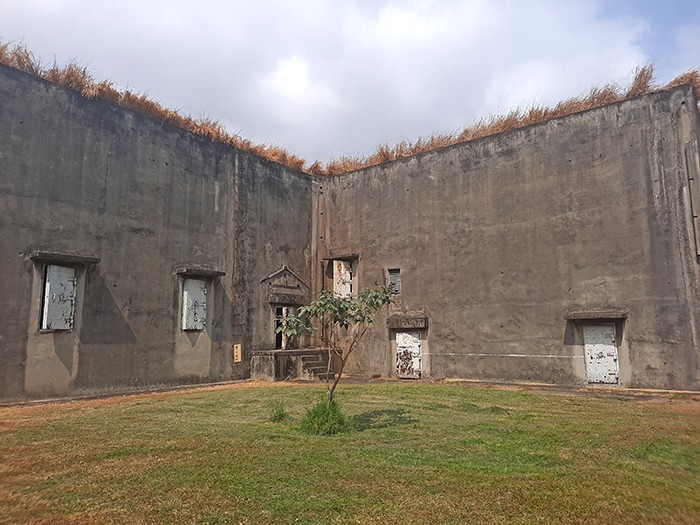
The derelict, cross-shaped radio station building
photography by: Omri Westmark

photography by: Omri Westmark