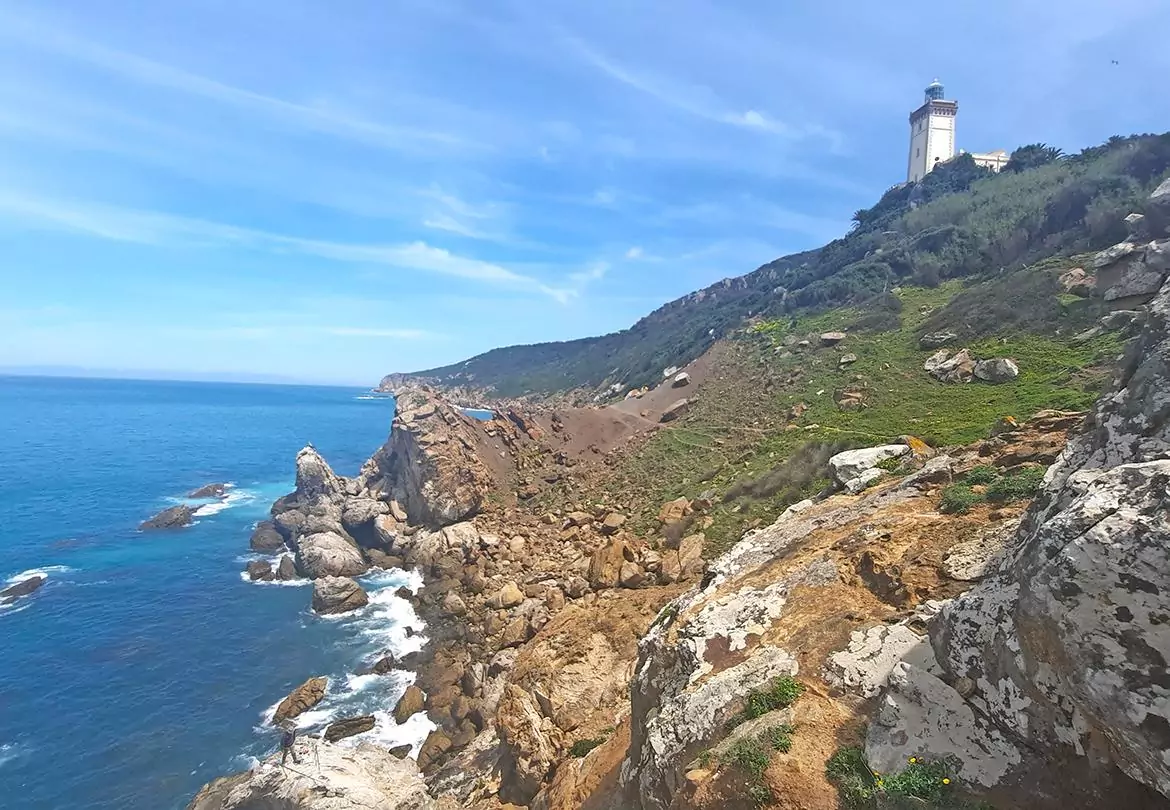

Throughout history, local fables have triggered a great deal of hype around certain places. In rare instances, the fame coincides with actual beauty to marvel at. Tucked away on the northwestern tip of the African continent, near Tangier’s Cape Spartel, the Caves of Hercules are not only associated with several tales, but also boast some unique features that make them a far worthier site to explore.

By: Omri Westmark
Date: 02:31 13.06.22
Last Update: 20:07 28.12.24
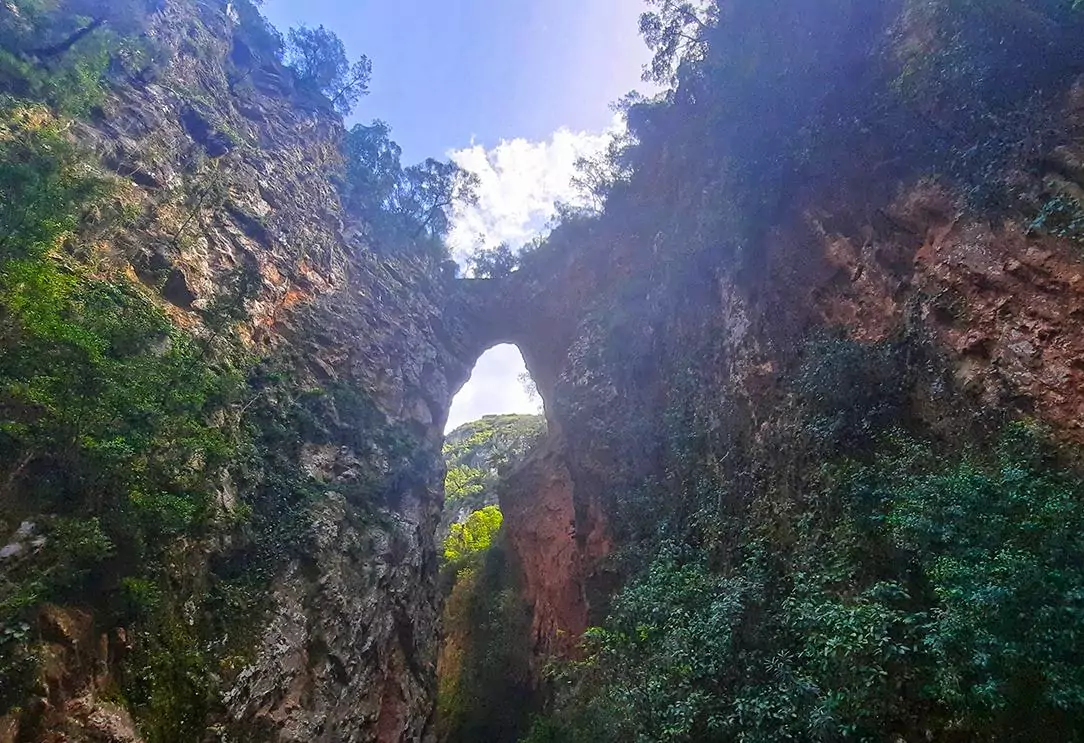
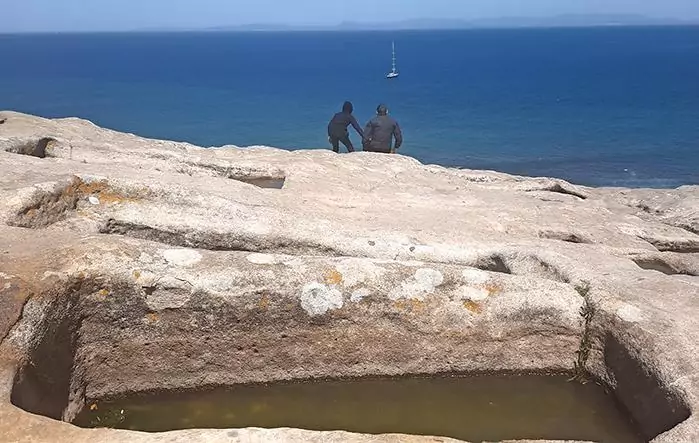
Located about 15 kilometers from Tangier’s downtown area, slightly south of Cape Spartel, the Caves of Hercules is a set of interconnected grottos facing the Atlantic Ocean. At first glance, this small cave complex might seem somewhat uninspiring. However, as you delve deeper, both literally and metaphorically, you’ll come across its interesting facets.
As its name suggests, the cave has inspired a local myth involving the Greek god Heracles (the Greek equivalent of Hercules). Legend has it that the almighty god was tasked by King Eurystheus with 12 labors as atonement for slaughtering his beloved wife and children under the spell of Hera, the queen of the gods. As Heracles completed ten of his initial labors, he was given two additional tasks, the first of which, the 11th labor, was to infiltrate the Garden of the Hesperides and steal three golden apples. Since the cave was in close proximity to the garden, which, according to historians, was in Lixus (the modern-day town of Larache), Heracles used the secluded cavern as a place to hide and sleep before embarking on his risky mission.
Another outlandish tale states that the cave is actually part of a massive 24-kilometer-long tunnel that straddles the Strait of Gibraltar, lying far beneath the Mediterranean Sea. With its other end located in Gibraltar’s St. Michael’s Cave, the fictitious tunnel was speculated to be the main culprit behind the presence of the Barbary macaques (native to Morocco) in the British Overseas Territory.
Interestingly, the cave has two openings, one of which is linked to the nearby land while the other overlooks the ocean. The land-facing opening, better known as the cave’s main entrance, was carved out by the Berbers, who made use of the rocks to construct millstones. The sea-facing fissure is situated within the cave, with its shape reminiscent of the silhouette of Africa. While it was determined that the void is naturally formed with a great degree of certainty, some have argued that the African-shaped hole is, in fact, the work of the Phoenicians.
Alongside the grotto’s main part, which is free of charge, is another section that entails an admission fee of 5 dirhams. The small chamber is not particularly interesting, but it does house a hodgepodge of Greek-style sculptures, knickknacks, and murals against the backdrop of an artificially made waterfall. The bottom floor is home to an outdated souvenir shop and a frenzied macaque monkey, a reference to the site’s legendary stories. The complex is located next to a cluster of restaurants and cafés, greeting visitors on their way in and out of the cave.
Whether Heracles or Gibraltar’s famed monkeys have actually been here is up for you to decide. One thing is sure, though: the cave is an intriguing place to explore for travelers visiting the nearby Cape Spartel.

The main entrance of the Caves of Hercules
photography by: Omri Westmark

Serving as the main entrance, the grotto's land-facing opening
photography by: Omri Westmark

The naturally formed hole, featuring the shape of the African continent
photography by: Omri Westmark

A couple of souvenir stalls inside the cavern
photography by: Omri Westmark

As your eyes can see, the cave is partly lit
photography by: Omri Westmark

According to the lore, Heracles slept in the cave before venturing out on his 11th labour
photography by: Omri Westmark

The cave's land-facing void
photography by: Omri Westmark

The paid part of the cave
photography by: Omri Westmark

This section is embellished with dozens of flamboyant statues, inspired by Greek mythology
photography by: Omri Westmark

A Greek deity on the backdrop of a colorful mural
photography by: Omri Westmark

Gently cascading is the site's man-made waterfall
photography by: Omri Westmark

A souvenir shop located at the lowest level
photography by: Omri Westmark